

As we transition from summer into fall, I notice myself naturally being drawn toward different foods than I’ve been eating for the past four months.
Pears suddenly taste delicious. Grapes offer the hydration and sweetness I’m craving. We’ve started making some of my favourite seasonal soups—Mushroom Thyme Immunity and Carrot Ginger. Brussels sprouts have made their way back onto the dinner table.
And then, this morning, something unexpected happened.
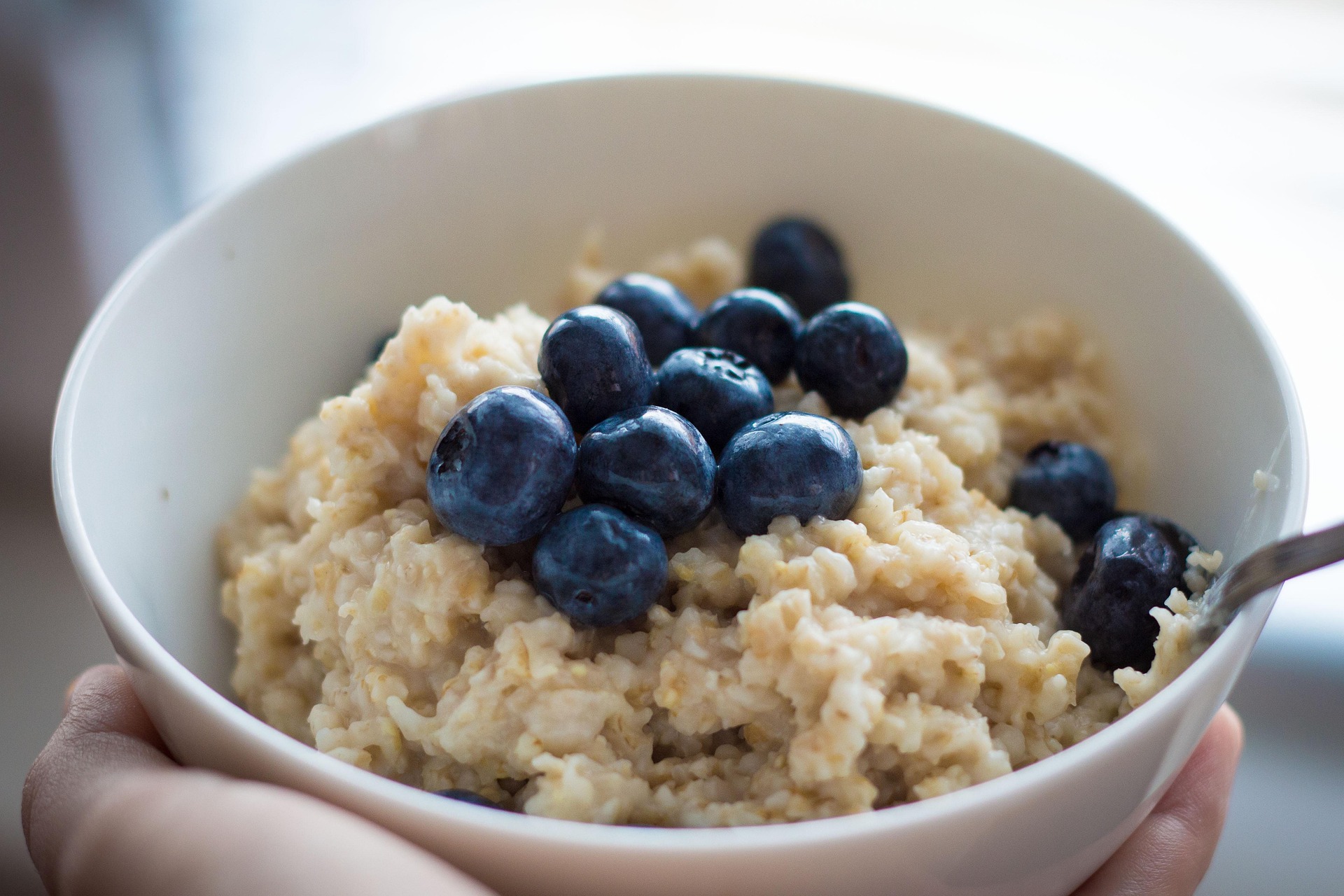
For the first time in months, I didn’t want my usual egg scramble. I wanted oatmeal.
And almost immediately, the mental chatter began:
But there’s not enough protein.
That’sa high-carb breakfast.
Grains don’t work well for my body.
It’s going to spike my blood sugar.
Should you really be eating that?
Sound familiar?
So I paused.
Instead of allowing the rules and opinions in my head to override what my body was asking for, I decided to listen. I made the oatmeal. To the bowl I added ground flaxseed, medicinal mushrooms, blueberries, cinnamon. And yes—even a teaspoon of maple syrup!
And then I enjoyed it.
I noticed the warmth. The texture. The flavours. The feeling of being nourished and satisfied. Most importantly, I noticed how my body felt after eating it. It felt good.
And that experience reminded me of something I believe is so important when it comes to nutrition:
Your diet is not meant to be linear.
We are not meant to eat exactly the same foods, in the same quantities, prepared in the same way, every single day.
Our bodies change. Our lives change. Our needs change.
And the seasons change.
Nutritional flexibility means being willing to experiment—to notice what your body is asking for and then pay attention to the feedback it gives you.
Today it was oatmeal.
Tomorrow, I may be craving eggs again.
Neither choice is inherently “better.” The question is: How does it work for me? How do I feel when I eat it? Does it leave me energized, satisfied and nourished?
This is very different from following a rigid set of nutritional rules.
Instead of asking, “Am I allowed to eat this?” we can begin asking:
“What is my body asking for?”
“What happens when I give it what it’s asking for?”
“How do I feel afterwards?”
That is where the real learning begins.
There is wisdom in the seasons.
One of the reasons I love teaching seasonal eatingis because there is something incredibly intuitive about the foods that become available to us throughout the year.
Summer invites lighter, hydrating foods—berries, melons, fresh greens, tomatoes, cucumbers and other foods that help us thrive in the heat.
As fall arrives, we naturally begin reaching for warmer, grounding and more nourishing foods—root vegetables, squash, soups, stews, warming spices and hearty grains.
There is a beautiful relationship between what Mother Nature provides and what our bodies may be asking for. When we slow down enough to notice, we may discover that our cravings and preferences are not simply something to control or eliminate.
They can be information.
They can be an invitation to pay attention.
Of course, this doesn't mean that every craving is a nutritional requirement or that we should blindly follow every impulse. Ourbodies can be influenced by stress, habits, emotions, blood sugar fluctuation sand many other factors.
But rather than immediately judging or overriding the message, we can become curious about it.
What is this craving trying to tell me?
Flexibility creates freedom.
There is no one perfect way to eat for your entire lifetime.
Your nutritional needs will evolve as you age, as your activity changes, as your hormones shift, as your environment changes and as you move through different seasons of life.
The way you ate in your twenties may not be the way you eat in your forties, fifties or sixties. And the way you ate in July may not be the way your body wants to eat in October. That doesn't mean you've failed or fallen “off track.”
It means you are a human being with a changing body living in a changing world.
So as we move into this new season, I invite you to experiment.
Notice what foods you are naturally drawn toward.
Slow down enough to taste and experience them.
Pay attention to how you feel while eating and afterwards.
And perhaps most importantly, practice replacing a little of the nutritional chatter with curiosity.
Yourbody is constantly giving you feedback.
The question is:
Are you listening?
Yours in health & vitality,
Amy


.svg)


