

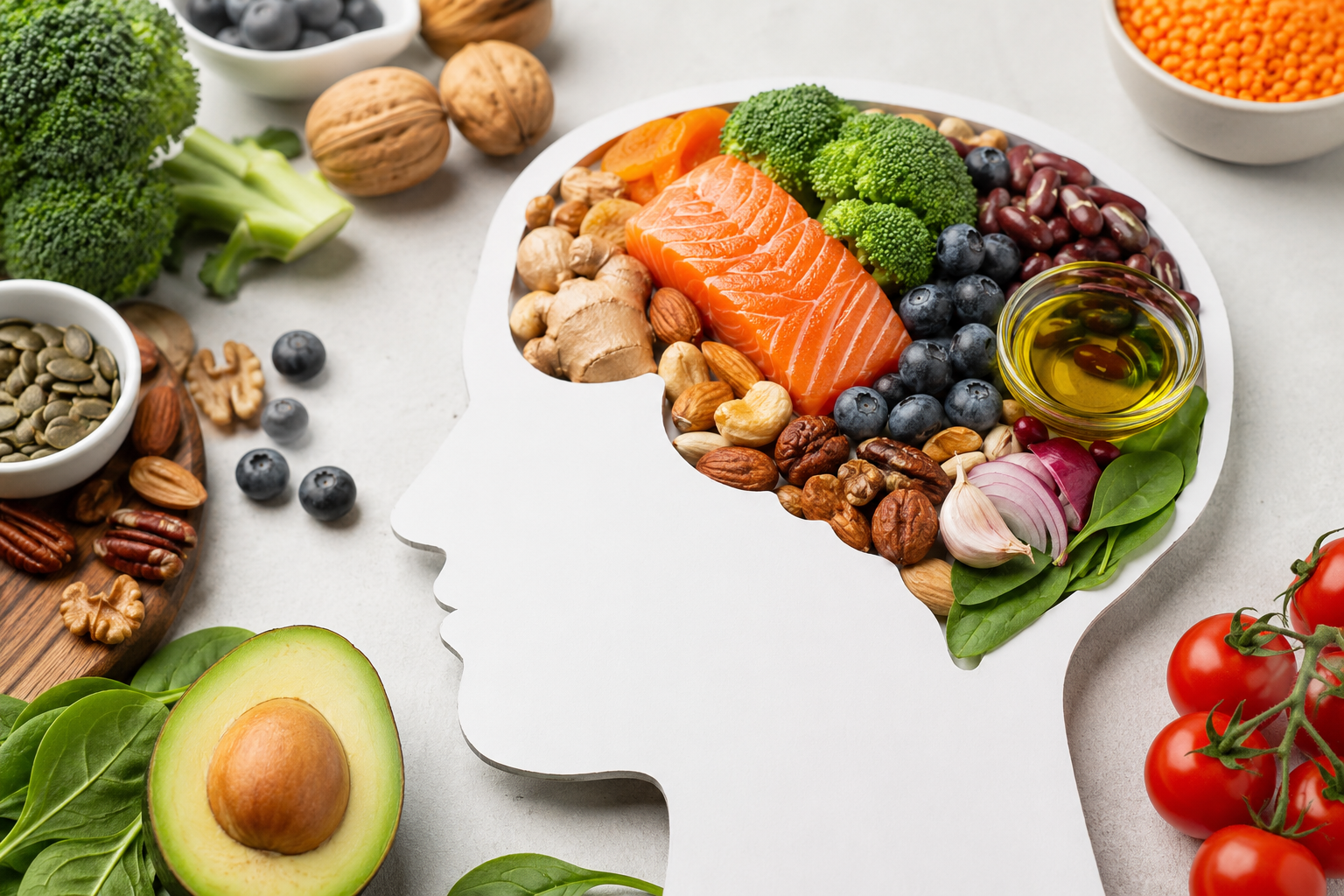
“Nutritional psychiatry focuses on the connection between diet and brain health. It uses food and supplements to help prevent and support the treatment of mental health disorders.”
— Karen Jensen, ND
For years, I have been passionate about what is often called Neuro Nutrition or Neuro-Nutrient Therapy: the science of feeding the brain the specific amino acids, vitamins, minerals, and healthy fats it needs to produce neurotransmitters such as serotonin, catecholamines, GABA, and endorphins.
These brain chemicals influence nearly everything:
When the brain is undernourished, symptoms often emerge—not because someone is lacking willpower, discipline, or emotional strength, but because the body may be missing critical raw materials needed for optimal brain function.
This is where nutritional psychiatry offers a meaningful and hopeful lens.
In my practice, I use food and targeted supplementation to support individuals struggling with:
This approach has been transformative for many clients who are looking to better understand the biological and neurological contributors to their symptoms and explore additional layers of support.
Nutritional psychiatry is especially promising for adolescents.
Teenagers are navigating rapid hormonal shifts, accelerated brain development, academic demands, athletic performance, social pressure, and constant stimulation from technology and modern life. Their brains and bodies have exceptionally high nutritional demands.
Yet many teens are under-fueled.
I routinely see patterns such as:
At the same time, common deficiencies often include:
These nutrients are essential for healthy nervous system development, neurotransmitter production, energy metabolism, and emotional regulation.
It should not surprise us that so many young people are struggling when their brains are being asked to perform under enormous pressure without the nutritional foundations required to do so.
Mental and emotional symptoms are often discussed in isolation, but the brain is an organ—and like every organ, it requires nourishment.
Emerging research continues to support this connection. Studies have shown that nutrient deficiencies, inflammation, blood sugar instability, gut dysfunction, and poor dietary patterns can all influence mental health outcomes.
In Canada:
According to The Lancet, nutritional psychiatry is becoming “a real opportunity for clinical intervention,” particularly for individuals experiencing depression and anxiety.
The encouraging news is this: there is so much we can do.
Food is not a magic cure, nor should nutrition be framed as a replacement for all other mental health care. But it is often an overlooked and foundational piece of the puzzle.
When we provide the body and brain with what they need—consistent nourishment, blood sugar balance, protein, healthy fats, micronutrients, and strategic supplementation—we can create meaningful shifts in mood, energy, focus, resilience, and overall well-being.
Mental health support should include nourishing the brain, not just managing symptoms.
This Mental Health Month, consider asking a new question:
Is your brain getting what it needs to thrive?
If you or someone you know is struggling with mood, anxiety, focus, emotional eating, or eating disorders, know that there are supportive, evidence-informed nutritional strategies available. Book a consultation with me to explore how targeted nutrition and supplementation can help restore balance, optimize brain function, and support lasting mental wellness.
Please feel free to share this article with someone who may benefit.
Yours in health & vitality,
Amy Bondar


.svg)


